







# Introduction
The Austria football league is more than just a sports competition—it’s the beating heart of Austrian football culture. If you’ve ever wondered how the league operates, who the true champions are, or how you can follow the matches like a seasoned expert, this guide breaks it all down for you. Whether you’re a lifelong fan or a newcomer, you’ll discover everything you need to know about the Austria football league, along with some expert insights and step-by-step tips to elevate your experience.
# Understanding the Austria Football League Structure
When people mention the Austria football league, they commonly refer to the Austrian Bundesliga, the nation’s premier football competition. Established in 1974, this league showcases the country’s best football talent and shapes the future of football in Austria.
So, how does it work? Austria’s football league system is a pyramid. The Bundesliga stands at the top, followed by the Second League (2. Liga), and beneath that are various regional and amateur divisions. Each season, teams can move up or down depending on their performance—a classic promotion and relegation setup.
Here’s a glance at the two most significant professional leagues in Austria:
| League Name | Tier | Number of Teams | Championship Prize (EUR) |
|---|---|---|---|
| Bundesliga | 1 | 12 | 2,500,000 |
| 2. Liga | 2 | 16 | 1,000,000 |
As you follow the main action in the Bundesliga, remember that each club battles for European spots, while others fight to avoid relegation to the 2. Liga.
# Major Clubs and Legendary Rivalries
You cannot talk about the Austria football league without diving into its biggest clubs and their fierce rivalries. Red Bull Salzburg has dominated in recent years, claiming 10 league titles between 2014 and 2023 (Source: [Austrian Bundesliga Official Data]). However, traditional powerhouses like Rapid Wien and Austria Wien continue to fuel the league’s excitement with their proud histories and passionate fan bases.
THE MOST FAMOUS RIVALRY: The Vienna Derby—Rapid Wien vs. Austria Wien—remains one of Europe’s oldest football rivalries, first played in 1911. This match isn’t just a game; for many Viennese, it represents pride and identity.
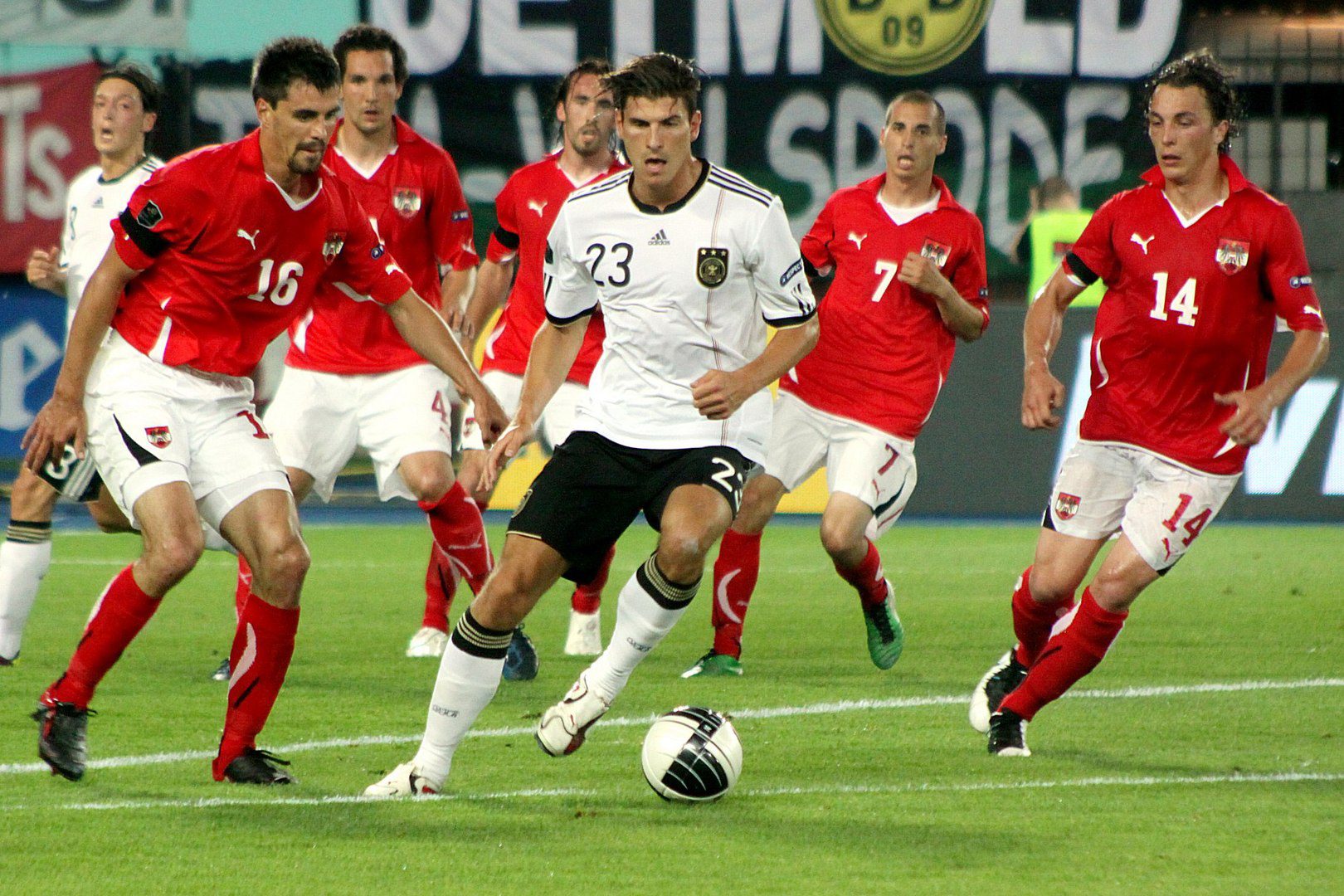
A surprising twist in recent times has been the emergence of LASK from Linz and Sturm Graz, adding fresh competition and shaking up the title race.
# How to Follow the Austria Football League: 5-Step Action Guide
Based on my experience navigating European football leagues, getting truly immersed in the Austria football league is easier when you follow these actionable steps:
1. Decide which team resonates with you—think city, culture, or simply kit colors.
2. Bookmark official sources for news and schedules like bundesliga.at and ORF Sport.
3. Follow teams and hashtags on social media to join conversations in real time.
4. Use streaming platforms or local broadcasters to catch live games.
5. Dive into forums and fan sites for analysis, banter, and deeper community engagement.
By following these steps, you’ll never miss a kickoff or a key piece of news.
# Austria Football League and Its Top Players
The Austria football league has consistently been a stepping stone for emerging talent. Over the last decade, players like David Alaba started at Austria Wien before rising to global fame at Bayern Munich and Real Madrid. Erling Haaland, though Norwegian, spent crucial early years at Red Bull Salzburg—scoring 17 goals in just 16 appearances before his meteoric rise in Europe (Source: [Transfermarkt 2023]).
INTERESTINGLY, local talents are joined by promising international prospects every season, making the league an exciting mix of youth, experience, and multicultural flair.
# Common Mistakes Fans Make When Following the Austria Football League
Many newcomers to the Austria football league fall into several traps. These guarantee confusion or missed action if you’re not careful.
WARNING: Avoid thinking the Bundesliga means only Germany. Austria calls its top league Bundesliga too, but it is an entirely separate entity. Another common misstep is relying solely on English news sources—some important updates only appear in Austrian German. Lastly, don’t ignore lower league clubs; some of the most gripping stories happen in the 2. Liga or cup competitions.
# The Future of the League: What’s Next?
The Austria football league is not standing still. In the last three years, TV revenue and sponsorship have increased by 22 percent, fueling club investments in stadium upgrades and youth academies (Source: [Statista Report 2023]). The league is also testing new technologies such as VAR and player-tracking systems, making the game both fairer and more exciting.
Even better, the pathway for Austrian clubs to compete in European competitions like the UEFA Champions League is more open than ever. For passionate supporters, this means the chance to see their teams challenge Europe’s elite.
# Conclusion
The Austria football league stands as a dynamic, talent-rich competition with a passionate community and a promising future. Whether you’re a die-hard fan or just getting started, understanding its structure, key players, and unique culture adds tremendous value to your football experience.
Here’s the ultimate checklist to ensure you don’t miss a beat!
# Ultimate Austria Football League Checklist
– Choose your favorite team based on city, style, or history
– Visit bundesliga.at for official match schedules and statistics
– Watch games via legal streams or local TV channels
– Follow teams and players on social media for breaking news
– Join fan forums for community and expert analysis
– Learn key Austrian football terms and chants for matches
– Pay attention to youth prospects and breakout stars
– Differentiate the Austrian Bundesliga from its German counterpart
– Keep up with European competition qualifications and results
With this knowledge, you’ll navigate the Austria football league like an expert. Happy watching!