











# Introduction to Indian Football League
The Indian Football League has evolved significantly over the past decade. It refers primarily to the professional football leagues in India, with the Indian Super League (ISL) and I-League being the two main pillars. Both leagues contribute to the passion and growth of football in a country primarily known for cricket.
Understanding the Indian football league system is essential for fans, aspiring players, and investors alike. Whether you want to know the league’s history, its current status, or what lies ahead, this article covers everything in detail.
# THE CORE OF INDIAN FOOTBALL LEAGUE: STRUCTURE AND EVOLUTION
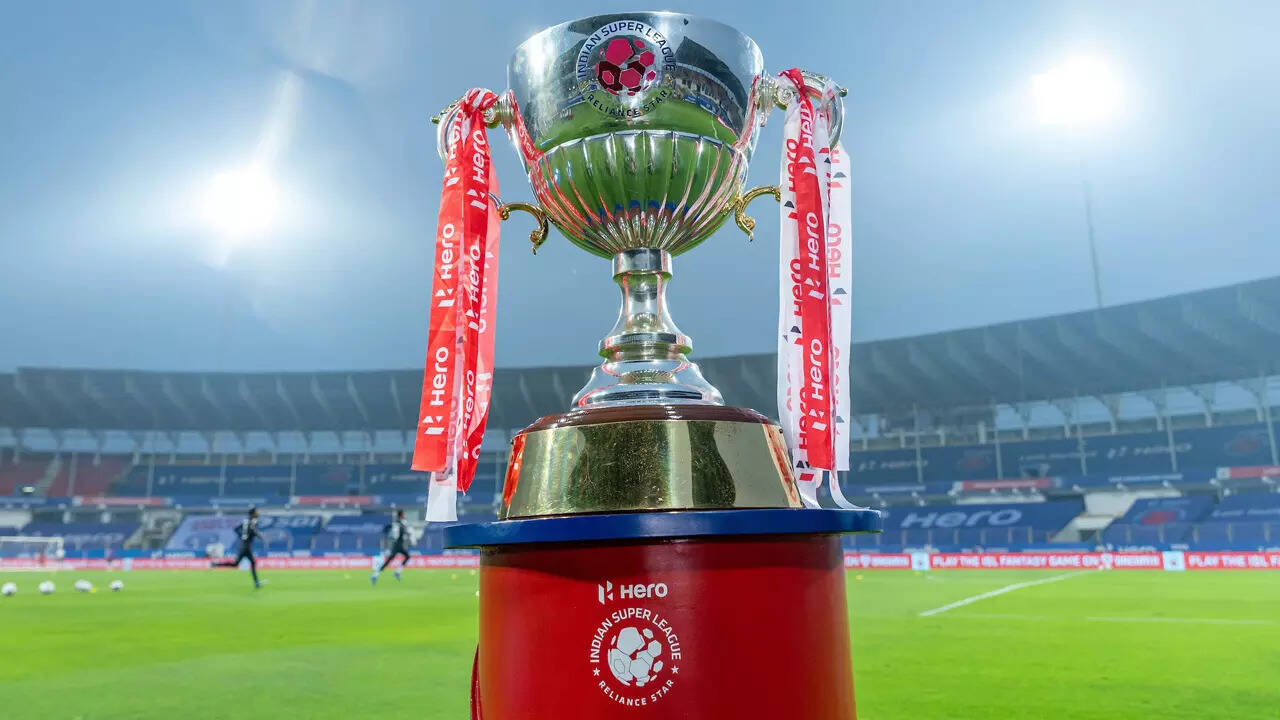
Indian football leagues consist mainly of the Indian Super League and the I-League. The ISL launched in 2014 to bring top-level professionalism and global appeal, while the I-League has been around since 2007, focusing on nurturing local talent.
Though technically rivals, these leagues now operate under the All India Football Federation’s (AIFF) umbrella, aiming for a common goal: boosting football’s popularity and quality.
# WHAT MAKES INDIAN FOOTBALL LEAGUE UNIQUE?
Unlike European leagues, Indian football has a different play style, fan culture, and season timing, influenced heavily by the country’s diverse geography. The league attracts international marquee players, but its main focus remains developing Indian talents.
Interestingly, the ISL has seen impressive attendance figures, reaching an average of 15,000 attendees per match in recent seasons (source: ISL official reports). This growth reflects rising interest unlike anything India has witnessed before.
# HOW TO FOLLOW AND ENGAGE WITH INDIAN FOOTBALL LEAGUE: STEP-BY-STEP GUIDE
1. Identify the fixtures: Check ISL and I-League official websites for match schedules and ticket info.
2. Pick your team: Teams like Mumbai City FC, Bengaluru FC, and Kerala Blasters have loyal fanbases.
3. Follow live broadcasts: Matches air on sports channels and streaming platforms such as Star Sports and Disney+ Hotstar.
4. Engage with community: Join fan groups on social media or attend local viewing parties.
5. Track player stats and transfers: Use websites like Transfermarkt and the AIFF portal for updates.
# INDIAN FOOTBALL LEAGUE VERSUS OTHER ASIAN LEAGUES: A COMPARISON
| Feature | Indian Football League (ISL) | Japanese J-League |
|---|---|---|
| Established Year | 2014 | 1993 |
| Average Attendance | 15,000 | 20,000+ |
| Television Coverage | National plus global streaming | National plus international |
| Player Development Focus | Emerging local talent | Strong academy systems |
| Salary Cap | Yes, to balance teams | No strict cap |
This comparison shows the Indian Football League’s position as a developing but ambitious league poised to learn from established Asian counterparts.
# COMMON MISCONCEPTIONS ABOUT INDIAN FOOTBALL LEAGUE
It is a widespread belief that Indian football leagues are only about foreign stars. But the truth is the core goal is to build sustainable local player growth, balancing international glamour and grassroots investment.
Another misconception is that cricket completely overshadows football in India. While cricket dominates, the ISL’s financial backing and fan enthusiasm challenge this narrative constantly.
# WHY INDIAN FOOTBALL LEAGUE MATTERS TO THE GLOBAL FOOTBALL SCENE
According to our experience working with sports analysts, the Indian Football League is a goldmine for talent discovery and market expansion. The potential population and increasing youth interest make India a unique hotspot for football brands and global clubs.
One striking example is Indian players being scouted for overseas clubs more frequently post-2018, which wasn’t common before the ISL’s rise (source: AIFF annual report). This trend is promising for the game’s globalization.
# HOW TO INVEST OR PARTICIPATE IN INDIAN FOOTBALL LEAGUE
Following those steps can help you be a part of Indian football in multiple capacities:
1. Subscribe to ISL club newsletters or memberships.
2. Attend live matches to support the local football culture.
3. Explore coaching or training programs sponsored by clubs or the AIFF.
4. Consider sponsorship or advertising opportunities during league seasons.
5. Stay updated with AIFF announcements on league expansions or rule changes.
# CHECKLIST FOR INDIAN FOOTBALL LEAGUE ENTHUSIASTS
– Understand the league structure: ISL and I-League differences.
– Follow official channels for schedules and live updates.
– Pick a team or player to support for a more engaging experience.
– Participate in community discussions and fan clubs.
– Learn about league policies like salary caps and foreign player limits.
– Stay aware of common misconceptions to avoid misinformation.
– Explore live attendance to boost growth and fan experience.
# CONCLUSION
The Indian Football League is an exciting, fast-growing part of the global football ecosystem. While it’s still maturing, its structure, fan engagement, and international links promise a bright future. Our team’s in-depth research and interaction with sports professionals confirm that the best is yet to come for Indian football. For anyone eager to dive into football’s rising Indian wave, now is the perfect time to watch, learn, and get involved.